 Project
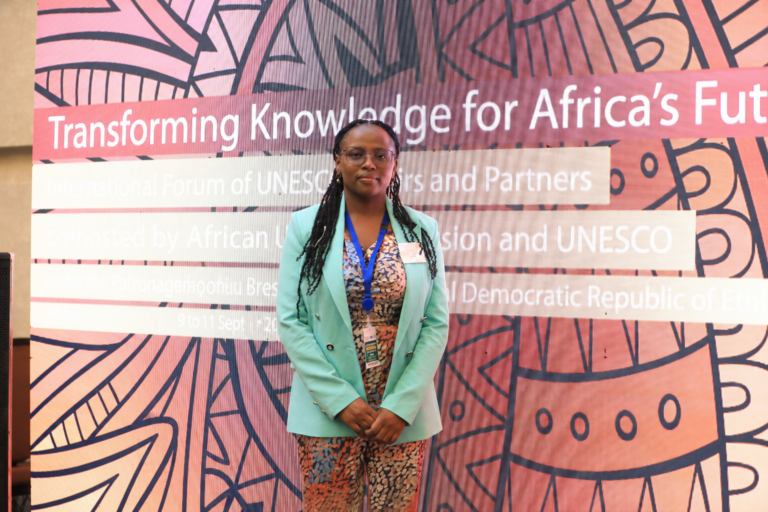
About DIANA KOSGEI
Diana is a Mechatronic Engineer and researcher working at the intersection of sustainable energy systems, electrical quality, and inclusive development in Sub-Saharan Africa. She currently serves as a Project Engineer for electrification research and consultancy projects under the UNESCO Chair on Climate Change, Resilience and Sustainability at Strathmore University. Her work focuses on the quality, standardization, and conformity assessment of electrical energy systems, including direct current systems such as solar photovoltaics ranging from pico-scale to grid-scale applications, as well as household electrical appliances. She is building expertise in applying technical engineering knowledge to sustainable development challenges, ensuring energy systems are accessible, safe, reliable, and sustainable for long-term community impact. Her work explores the interaction between electrical systems, businesses, technicians, and end-user’s with growing research interests in the policy and regulatory dimensions shaping equitable energy transitions. She further explores the intersection of gender and renewable energy adoption, the application of electrical technologies for improved health outcomes, and the use of energy data science to support evidence-driven energy planning and decision-making. Through both engineering practice and research, she is committed to advancing sustainable, people-centred energy solutions that respond to Africa’s social, technical, and developmental realities.
Project
DIANA KOSGEI hasn't posted anything yet.
DIANA KOSGEI In 3 Questions
I am inspired by the unique position of Africa, a continent richly endowed with resources that, if exploited conservatively and sustainably, can transform the lives of many communities and drive inclusive development for future generations.
The critical technology for sustainable development is one that centers attention on the human factor. Africa is currently facing a triple revolution: - Moving from fossil fuels to renewable energy; - Moving from government-owned utilities to private sector-led decentralized energy systems; and - Moving from technically controlled energy infrastructure to smart grids, smart metering, and the total digitalization of the electricity sector. These three transitions are expected to fundamentally reshape how Africa positions itself in the near future. Therefore, technologies such as smart grids, digital energy platforms, renewable energy systems, and decentralized energy solutions are critical for sustainable development because they improve energy access, efficiency, inclusivity, and resilience while empowering communities to actively participate in the energy transition.
My real-life superpower is building long-lasting connections and empathizing with communities facing different challenges, allowing me to understand their needs and work collaboratively toward sustainable solutions.