I realize this is an old post I’m responding to, but I want to argue against “capturing” indigenous knowledge. The problem with this term is that it implies enclosure of a commons, or the seizure and continued colonization of a sovereign culture. Indigenous knowledge is not a resource to be mined–and to act otherwise is not a progressive stance, however savvy and trendy it may sound. I would argue (as do many others) that we need to *value* indigenous knowledge and other forms of knowledge that are presently devalued by the liberal modernist framework of the academy, the professions, and the state. We do not need to capture their knowledge to be able to use it for capitalist-technocratic ends. We need to make space at the table so they can help define the future of humanity, as full-fledged more-than-equal participants.
There are many references I can point you to here. Edward Said has lots to say that is related to these issues (e.g., in Culture and Imperialism). One renowned indigenous author is Linda Tuhiwai Smith, whose book Decolonizing Methodologies is a guide for indigenous intellectuals to resist knowledge colonization by Western academics. On the political dangers of colonizing indigenous knowledge, I recommend the book Weaponizing Maps: Indigenous Peoples and Counterinsurgency by Bryan and Wood, which tells the on-going story of the US Department of Defense’s efforts to capture indigenous place-based knowledge for military-industrial goals.
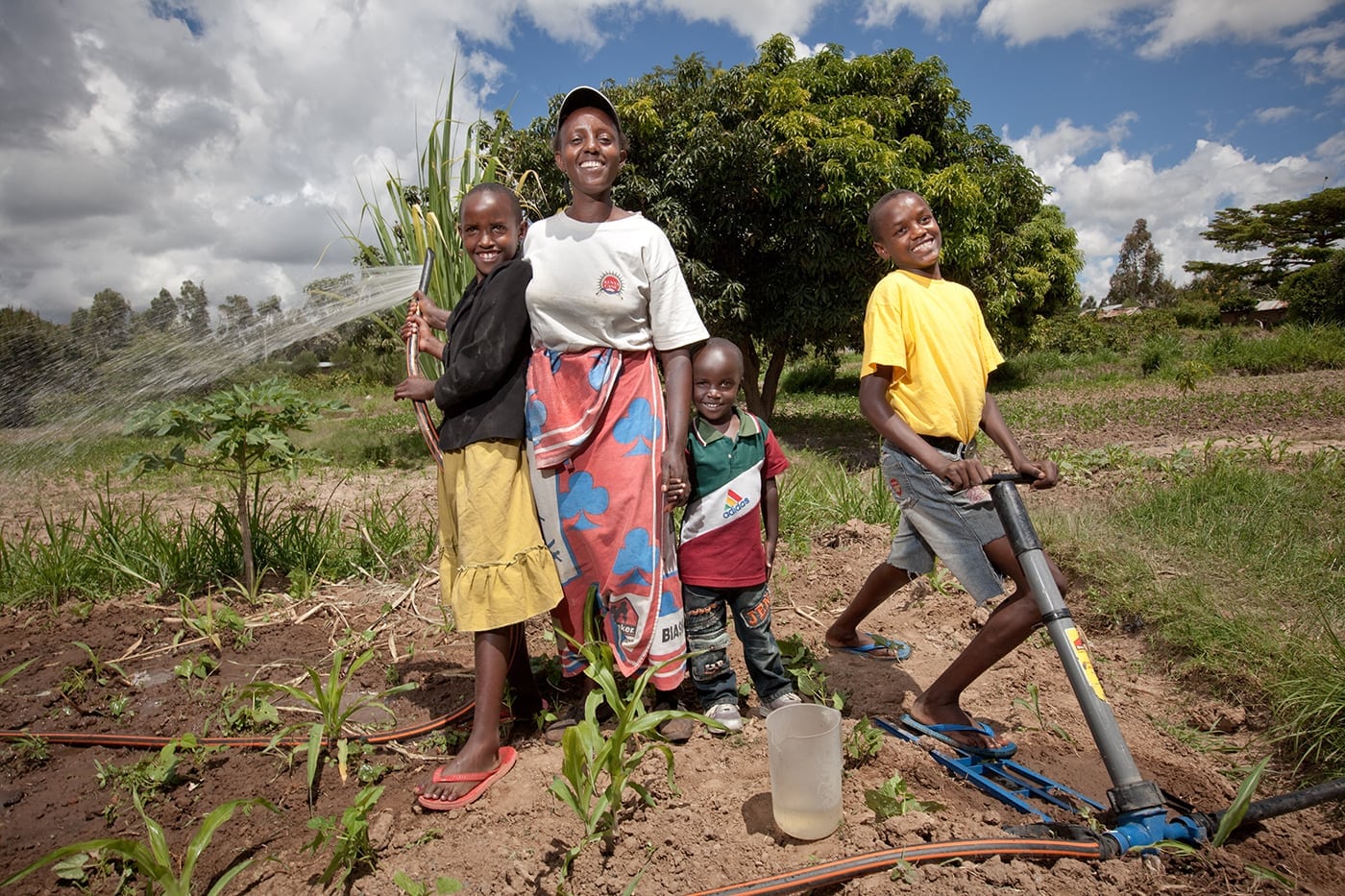
Technology carries the knowledge, perspectives and lifestyles of the people who helped create it. To improve design, maybe we should start with the principles that we have adopted...

I realize this is an old post I’m responding to, but I want to argue against “capturing” indigenous knowledge. The problem with this term is that it implies enclosure of a commons, or the seizure and continued colonization of a sovereign culture. Indigenous knowledge is not a resource to be mined–and to act otherwise is not a progressive stance, however savvy and trendy it may sound. I would argue (as do many others) that we need to *value* indigenous knowledge and other forms of knowledge that are presently devalued by the liberal modernist framework of the academy, the professions, and the state. We do not need to capture their knowledge to be able to use it for capitalist-technocratic ends. We need to make space at the table so they can help define the future of humanity, as full-fledged more-than-equal participants.
There are many references I can point you to here. Edward Said has lots to say that is related to these issues (e.g., in Culture and Imperialism). One renowned indigenous author is Linda Tuhiwai Smith, whose book Decolonizing Methodologies is a guide for indigenous intellectuals to resist knowledge colonization by Western academics. On the political dangers of colonizing indigenous knowledge, I recommend the book Weaponizing Maps: Indigenous Peoples and Counterinsurgency by Bryan and Wood, which tells the on-going story of the US Department of Defense’s efforts to capture indigenous place-based knowledge for military-industrial goals.