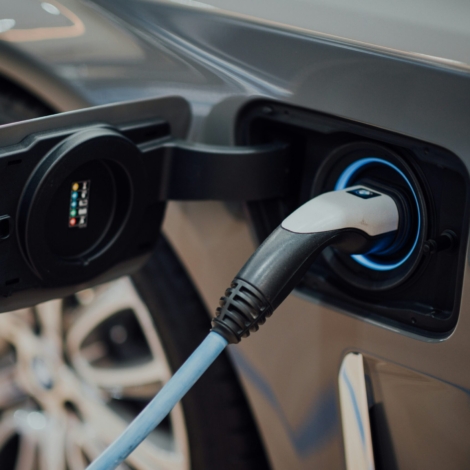
One argument I’ve heard against buying and driving electric vehicles is that there is no reduction in emissions if the vehicle has to charge using dirty electricity. Meaning electricity generated with fossil fuels. If there is no solar or other renewable energy available to charge an EV, where is the benefit, right? It turns out there are benefits.
The obvious one is the elimination of tailpipe exhaust on the roads. People who walk and people who breathe can enjoy fresher air when there are fewer combustion engines on the roads. But that doesn’t answer the core question. When you charge with grid power supplied by a fossil-fuel burning plant, do the emissions from the plant offset the clean vehicle?
I asked Dr. Gragg, who is the Managing Director of Stanford University’s Explore Energy program. She also leads Stanford’s Understand Energy and Integrative Design for Radical Energy Efficiency Learning Hubs, which provide free energy education to anyone who visits their websites. She says the argument doesn’t stand, and she has charts to show it.
“I get that argument about EVs all the time, that they’re not better if powered by fossil fuels,” Dr. Gragg says. “It’s simply not true. Not only are they three to four times more efficient, but the fuel (electricity) is likely to get cleaner over the 20 years of the life of that vehicle.”
Exploring the point about efficiency, EVs convert 77 percent or more of the electricity from the grid into power at the wheels. In contrast, combustion engines convert only 12 to 30 percent of the energy stored in gasoline into power at the wheels, according to the official US site fueleconomy.gov.
Dr. Gragg demonstrates the point with the slide below that she includes in presentations on the energy transition.
“You can see that an electric vehicle charged in West Virginia (which has a coal-dominated electricity mix) still produces a lot less greenhouse gases than a gasoline vehicle.”

Diana Gragg EV vs Combustion vehicle
If you have more questions about renewable energy and the transition away from fossil fuels, Dr. Gragg has taken the time to answer questions. She gave a presentation on the energy transition (see the sidebar) and answered questions both live and by email after the session ended. See the link below.