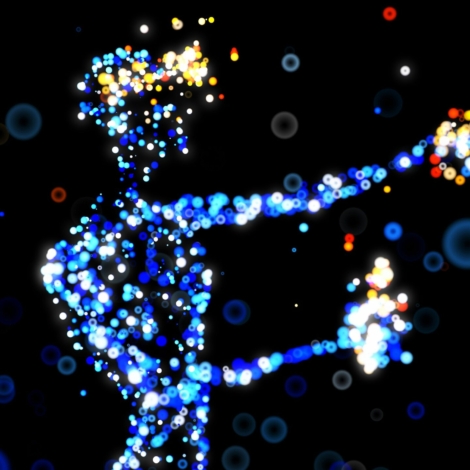
In 2023, the British Red Cross, in collaboration with Elrha’s Humanitarian Innovation Fund, and local partners such as the Iraqi Red Crescent Society, piloted a virtual reality (VR) training tool for humanitarian responders to gender-based violence in the Arab region, particularly in Iraq and Lebanon. The goal was to enhance empathy, knowledge, and survivor-centered skills. By the time the program concluded, its managers reported qualitative benefits, such as greater empathy, and measurable improvements quantified as percentages. The program managers reported their findings in a webinar that Elrha hosted (see the full webinar video below).
The program engaged GBV experts, technologists, and survivors to design immersive, culturally sensitive training experiences that were implemented during the GBV Tech Innovation Challenge, with mentoring and resource support from the UK Foreign Commonwealth and Development Office and Norway.
Improvements by percentage
Trainees who engaged with the virtual reality tool experienced knowledge gains of over 50 percent at the team lead level, with training sessions showing improvements exceeding 53 percent. The proportion of participants achieving a score of 6 out of 15 or higher on knowledge assessments surged from approximately 12 to 60 percent following the VR sessions.
All of the volunteers and staff involved (100 percent) reported feeling more confident in applying GBV prevention principles in the field. And 95 percent stated they could effectively translate these skills into their workplace. More than 90 percent of VR participants said the immersive experience increased their confidence in handling disclosures from survivors.
Qualitative improvements
Apart from the numbers, the qualitative impact was equally interesting. The program appears to have fostered a deeper emotional understanding of survivors’ experiences, allowing participants to embody empathy and adopt a more survivor-centered approach in their communications.
Trainees reflected honestly on their own biases, became more open to discussing sensitive and stigmatized topics like early marriage and emotional violence, and demonstrated a visible shift in attitudes and behaviors.
Trainees reflected honestly on their own biases, became more open to discussing sensitive and stigmatized topics like early marriage and emotional violence, and demonstrated a visible shift in attitudes and behaviors. The immersive nature of the VR training made abstract dilemmas feel tangible, sparked more meaningful conversations, and motivated many branches to request wider dissemination of the tool.
Implementation challenges
The benefits seem to have come at a cost paid in part through challenges in implementation and the lessons those taught. Staff and volunteers reported difficulties in communication between technical experts and humanitarian professionals. Another challenge was ensuring sensitivity and safety while adapting technical solutions. That sensitive approach is called “survivor-centered.”
There were challenges in managing regional risks such as conflict and unstable partnerships, and technical resource constraints. Another problem was resistance from the staff. Field staff were initially skeptical due to the sensitive topic of gender-based violence, and the unfamiliarity of VR technology.
Language dialects and cultural differences affected how the training was received in some communities. Sustainability was also a concern, as the VR prototype required ongoing resources for maintenance and development. And the final challenges mentioned were health and well-being concerns, such as carefully managing exposure for those with photosensitivity or emotional vulnerability, and providing debriefing and support after sessions.
Solutions to the VR tool challenges
The team met those challenges through continuous communication, localization, mentorship, careful risk planning, and a strong focus on evidence-based adaptation.
Continuous communication. The team prioritized constant, open communication to build a shared understanding between technologists (VR developers) and GBV/humanitarian practitioners. They held regular dialogue, collaborated on problem-solving, and involved both technical and local humanitarian experts from the early design phases.
Survivor-centered and safe design. The team reviewed all content with a focus on emotional safety, dignity, and cultural sensitivity. Survivors directly contributed to script development, and the process emphasized avoiding graphic content while building empathy and empowerment.
Local adaptation and risk management. The team localized the tool for different dialects and cultural nuances. They designed risk management plans that accounted for regional instability, including currency issues or partner changes. They also adjusted training methods and materials for each location, including participant composition (e.g., sensitivity to gender dynamics in group training).
Mentorship. Mentors provided learning support outside donor channels, enabling honest conversation and responsive adaptation of the tool.
Support and debriefing. The team paid special attention to debriefing and psychological safety for all participants. Experts supported participants who felt emotionally affected during the training.
Evidence-based adaptation. The team collected qualitative and quantitative data throughout the program. They used evidence of shifts in knowledge, skills, and attitudes to refine content and to make the case for ongoing support and scale-up.
“The VR scene helped them understand the survivor’s emotional world in a safe and respectful way,” said Doaa Youssef, a sexual and gender-based violence adviser to the British Red Cross in the Middle East and North Africa.
Facilitators noted greater participation among those who used VR compared to control groups.
“They noticed better questions, more willingness to challenge harmful norms, willingness to receive more training or engage with the community when they tried the VR headsets, and many branches asked if they can actually start using VR with community or even at the branch level to prepare like the staff and volunteers,” Ms. Youssef said.
Sustainability Planning. Recognizing the ongoing resource demands of the VR tool, the team plans to maintain and update the prototype, document lessons learned, and prepare for integration with national training systems.
Overall, the team combined human-centered design, practical local adaptation, and ongoing learning and feedback cycles to improve the tool’s safety, relevancy, and efficacy.
VR’s potential
The VR training model can grow by adapting its stories to new contexts, languages, and forms of violence, its managers said. The project suggests that immersive learning, paired with guided reflection, can, in fact, build empathy in GBV training.
See the webinar: